
Road safety products for distributors, contractors and government projects
WhatsApp: 008618662728327Language:
 English
Road safety products for distributors, contractors and government projects
WhatsApp: 008618662728327Language:
English
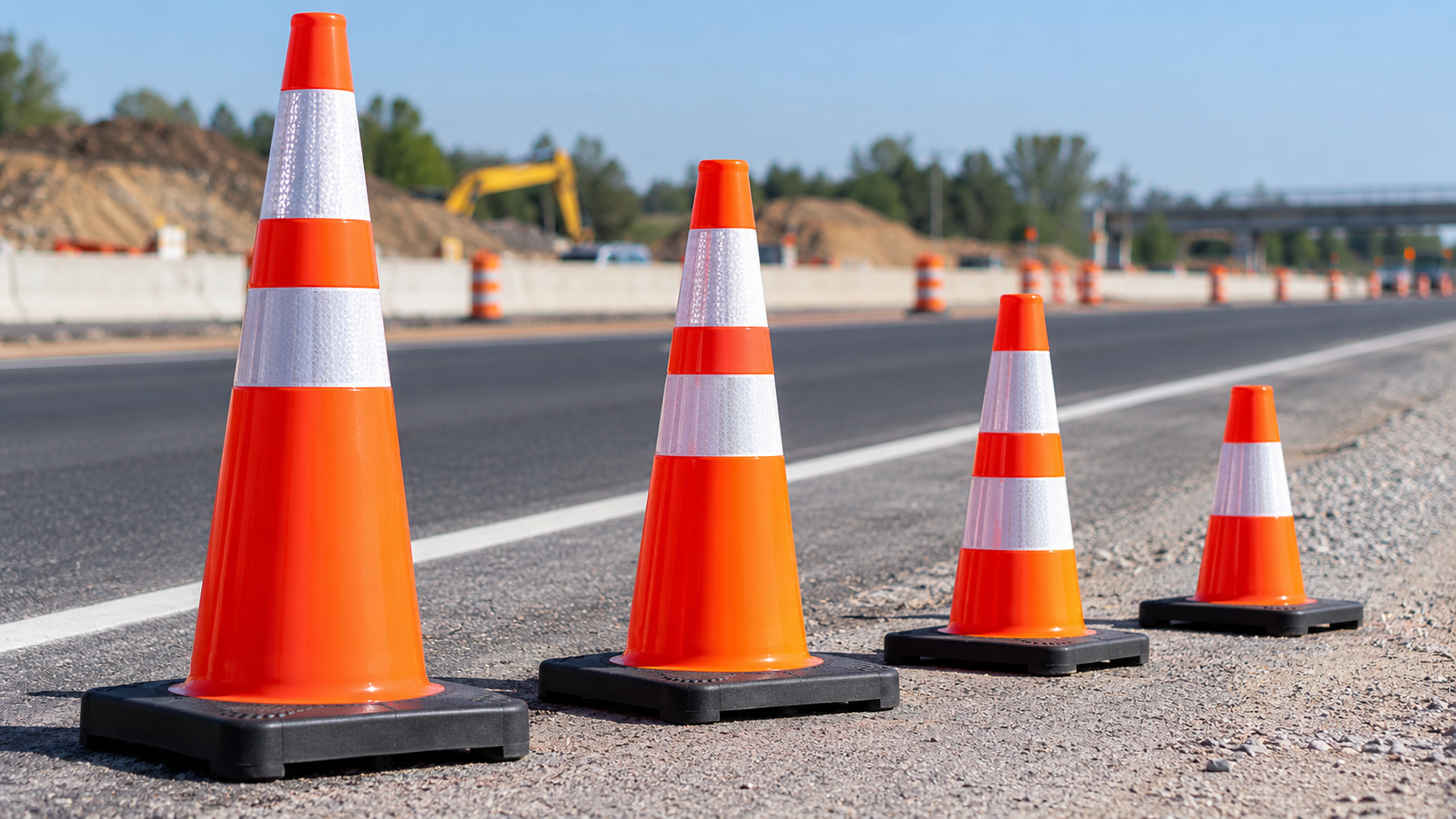
When purchasing traffic cones, weight is one of the most important specifications to evaluate. It affects stability, worker handling, manufacturing cost, and shipping economics.
Traffic cones that are too light may be displaced by wind or air turbulence from passing vehicles. The risk depends on cone height, base dimensions, weight distribution, placement, and surrounding conditions.
When a cone falls over or moves out of position, workers may need to reposition it. This can reduce the effectiveness of temporary traffic control and increase maintenance work.
For this reason, buyers should evaluate weight together with the overall design rather than treating weight as an isolated specification.
Important factors include:
Cone height and body design
Base dimensions and weight distribution
Intended application
Expected wind and traffic conditions
Surface conditions where the cone will be placed
A heavier base may improve stability in some situations, but the actual performance should be evaluated under the intended operating conditions.
Road workers may need to place, collect, transport, and reposition large numbers of traffic cones every day.
Excessively heavy cones increase manual handling effort. During repeated deployment and collection, this can contribute to worker fatigue and reduce operational efficiency.
For applications involving frequent repositioning, buyers should consider both stability and practical handling.
For example, cones used in parking areas may have different weight requirements from those used on exposed roadways or long-term construction sites.
The most suitable weight depends on the intended application, not simply on which model is heaviest.
Weight directly affects material consumption and can influence manufacturing cost.
Two traffic cones with the same height may have different weights, base designs, material formulations, and performance characteristics.
However, a heavier cone is not automatically better quality. Material selection, processing, structural design, and product testing also matter.
When comparing quotations, buyers should check:
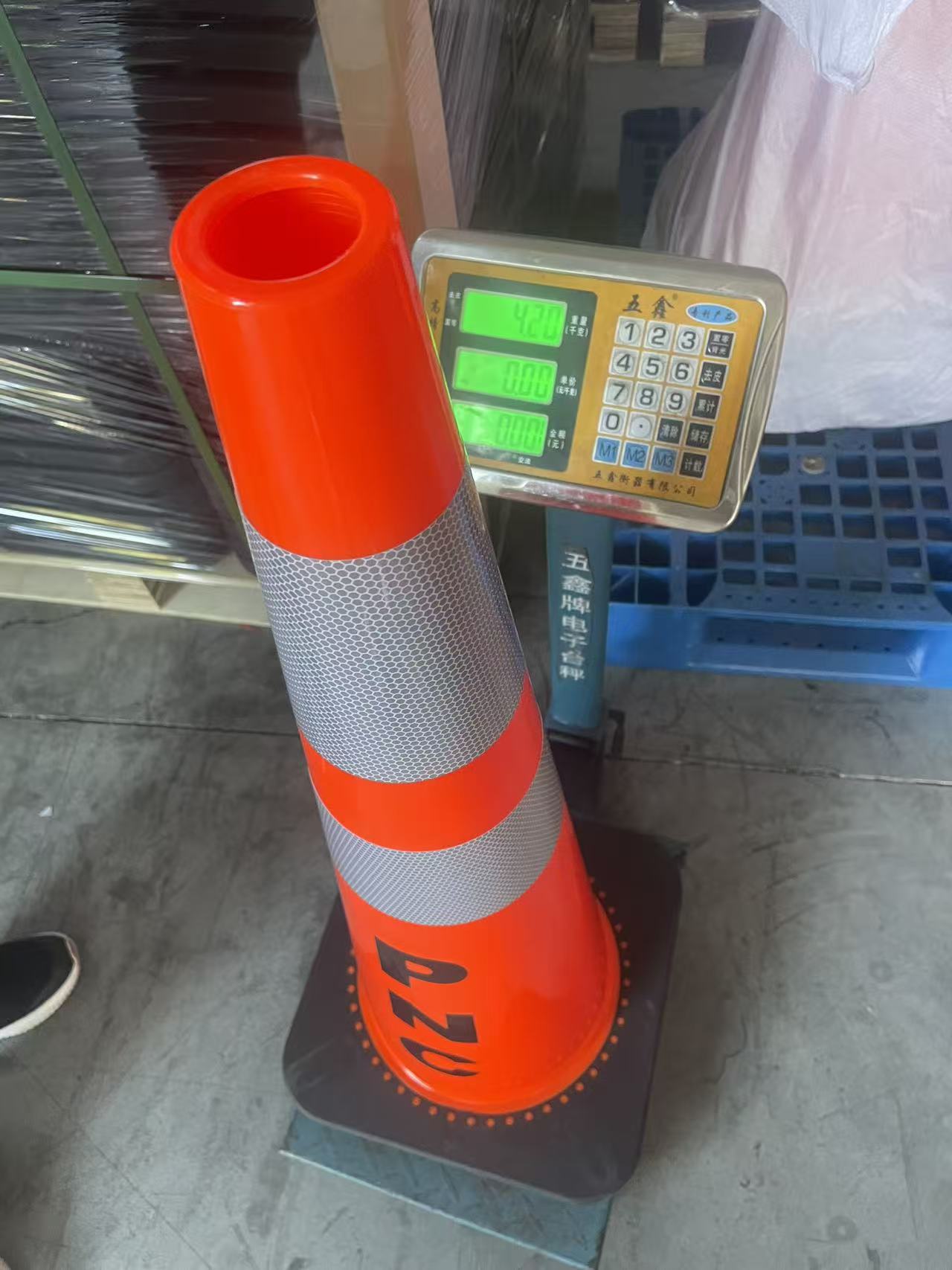
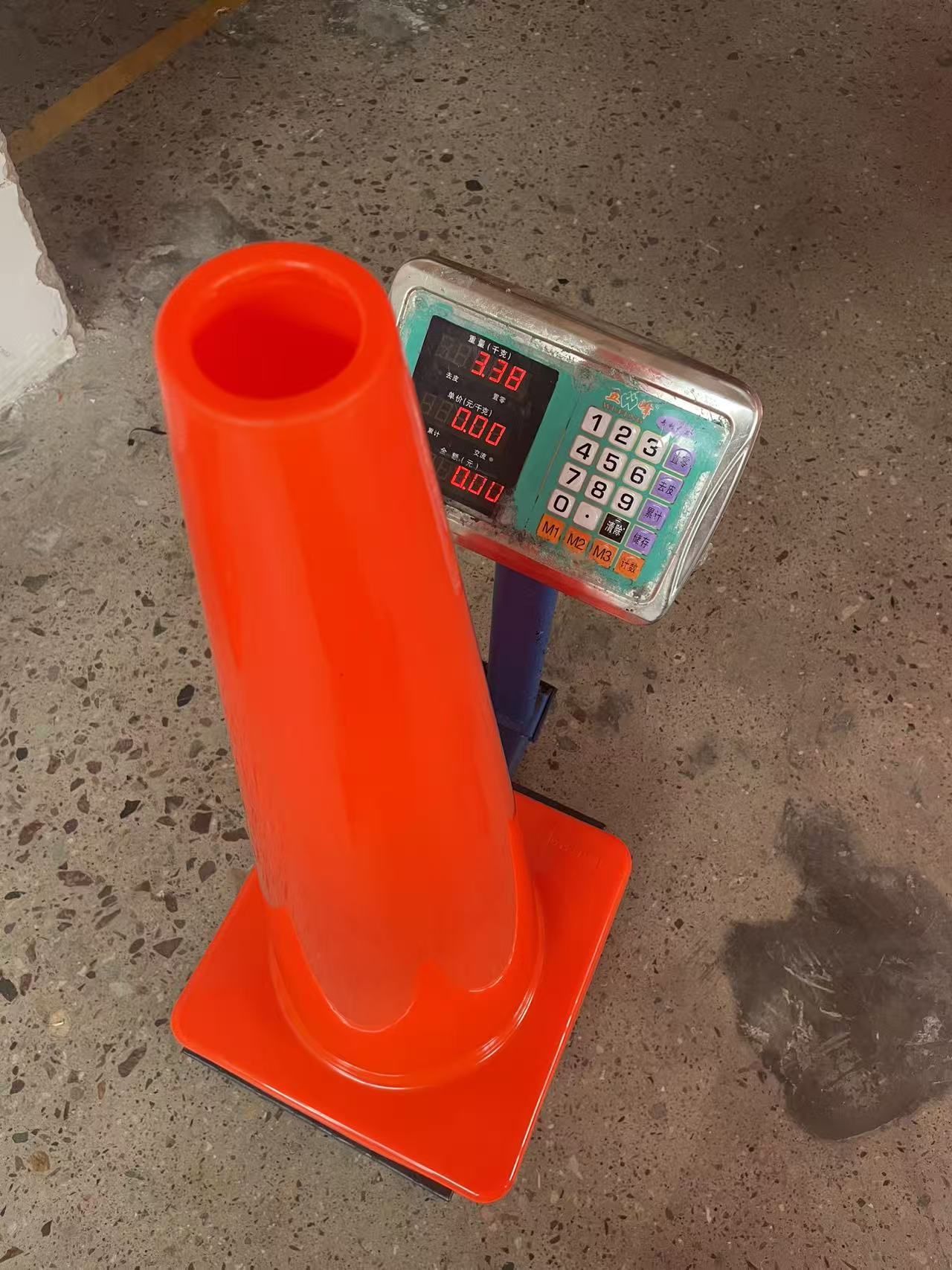
Actual product weight
Cone height and dimensions
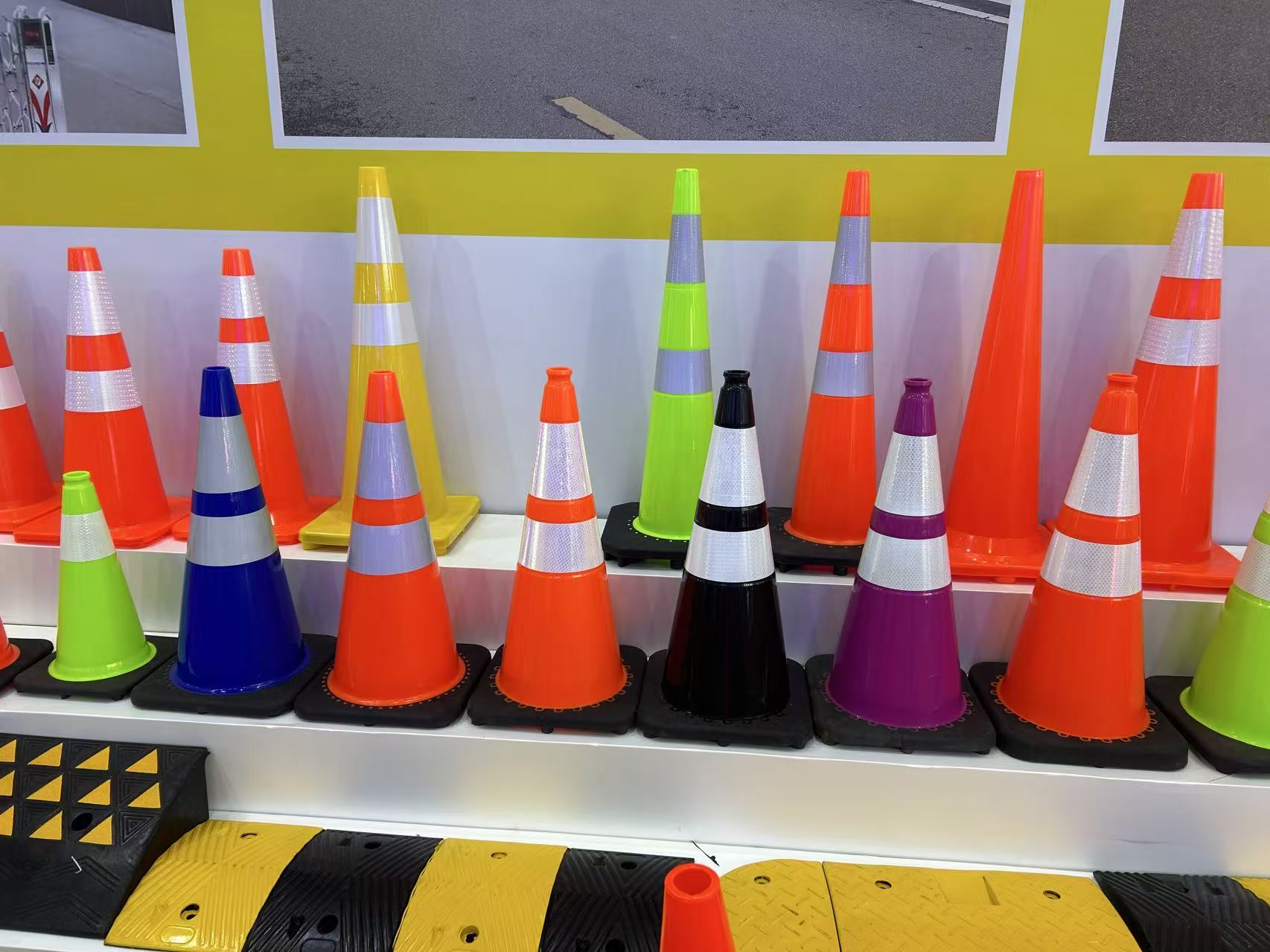
PVC or PE material formulation
Base material and dimensions
Reflective collar configuration
Packaging and shipping quantity
Comparing products with equivalent specifications makes it easier to identify genuine differences in price and value.
For distributors serving Peru, weight can affect product positioning, customer expectations, and purchasing costs.
A product that is too light may not perform as expected in its intended environment. On the other hand, excessive weight can make handling more difficult for workers.
Weight also affects material consumption and may influence the supplier's unit price.
For importers, these three considerations are closely connected:
Stability + Worker Handling + Purchase Cost
Choosing a suitable specification helps distributors balance end-user requirements with their own commercial objectives.
Weight should always be compared with other product specifications.
A useful supplier comparison should include:
| Specification | Why It Matters |
|---|---|
| Cone height | Affects visibility and overall design |
| Actual weight | Influences handling and stability |
| Base dimensions | Affect the contact area and stability |
| Material formulation | Influences flexibility and durability |
| Reflective sheeting | Affects visibility under appropriate conditions |
| Packaging | Influences shipping efficiency |
| Test results | Help verify performance claims |
Buyers should also compare samples under consistent conditions before placing large-volume orders.
Before selecting a traffic cone model, ask the supplier:
What is the actual weight of each available model?
What are the cone height and base dimensions?
What materials are used in the cone body and base?
What applications is the product designed for?
Is relevant stability or durability test information available?
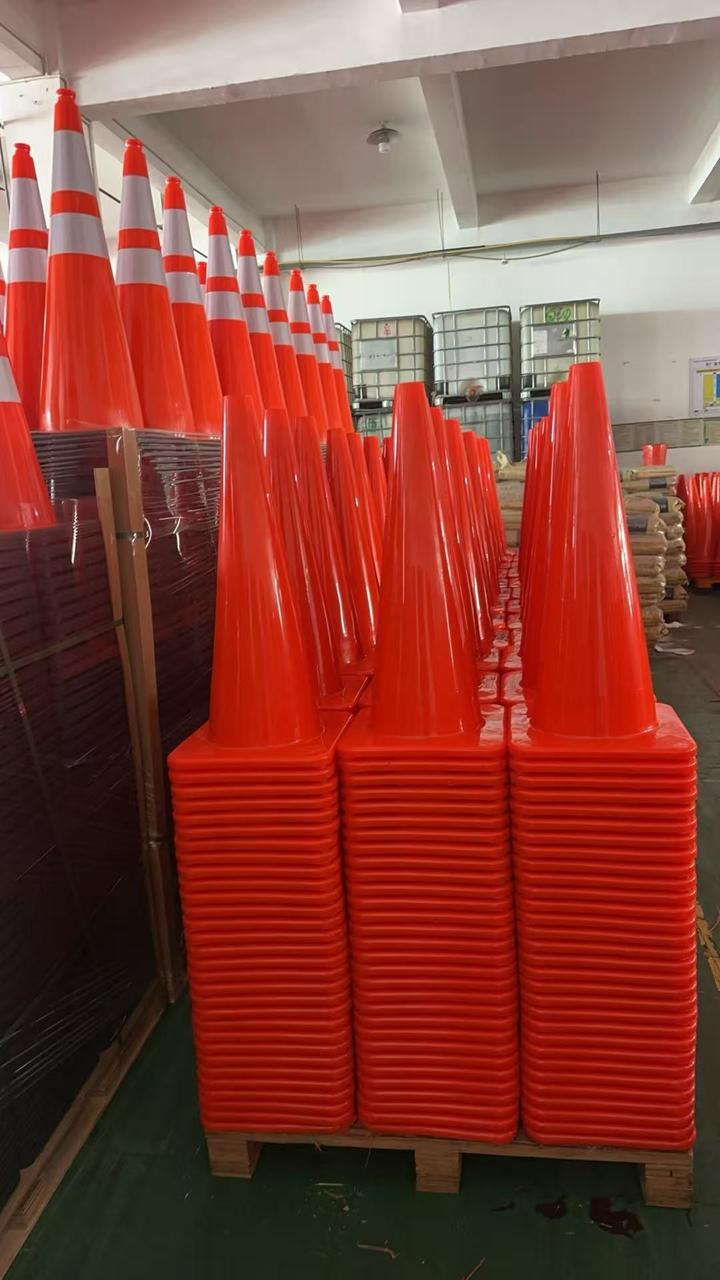
How many units can be loaded using the proposed packing configuration?
These questions help importers compare products more accurately than relying on price alone.
The right traffic cone weight is a balance between stability, worker handling, and cost.
For importers and distributors, the best purchasing decision comes from evaluating the complete product specification and its intended application.
Etonda supplies traffic safety products for international buyers. Contact our team with your required cone height, target weight, base configuration, and order quantity to discuss suitable product options.
No. Stability also depends on cone height, base dimensions, weight distribution, design, and site conditions.
Depending on their design and placement, lightweight cones may be more easily displaced by wind or air turbulence from passing vehicles.
Weight affects material consumption and can influence manufacturing and shipping costs. However, the final price also depends on material formulation, design, packaging, and order quantity.
Compare dimensions, material formulation, base design, reflective specifications, durability, packaging, and relevant test results.
CONTACT US
 Sales manager:Faye
 TEL: 008613182944931
 WhatsApp: 008618662728327
 EMAIL: info@etonda-trafficsafety.com
newsletter
follow us


