
Road safety products for distributors, contractors and government projects
WhatsApp: 008618662728327Language:
 English
Road safety products for distributors, contractors and government projects
WhatsApp: 008618662728327Language:
English
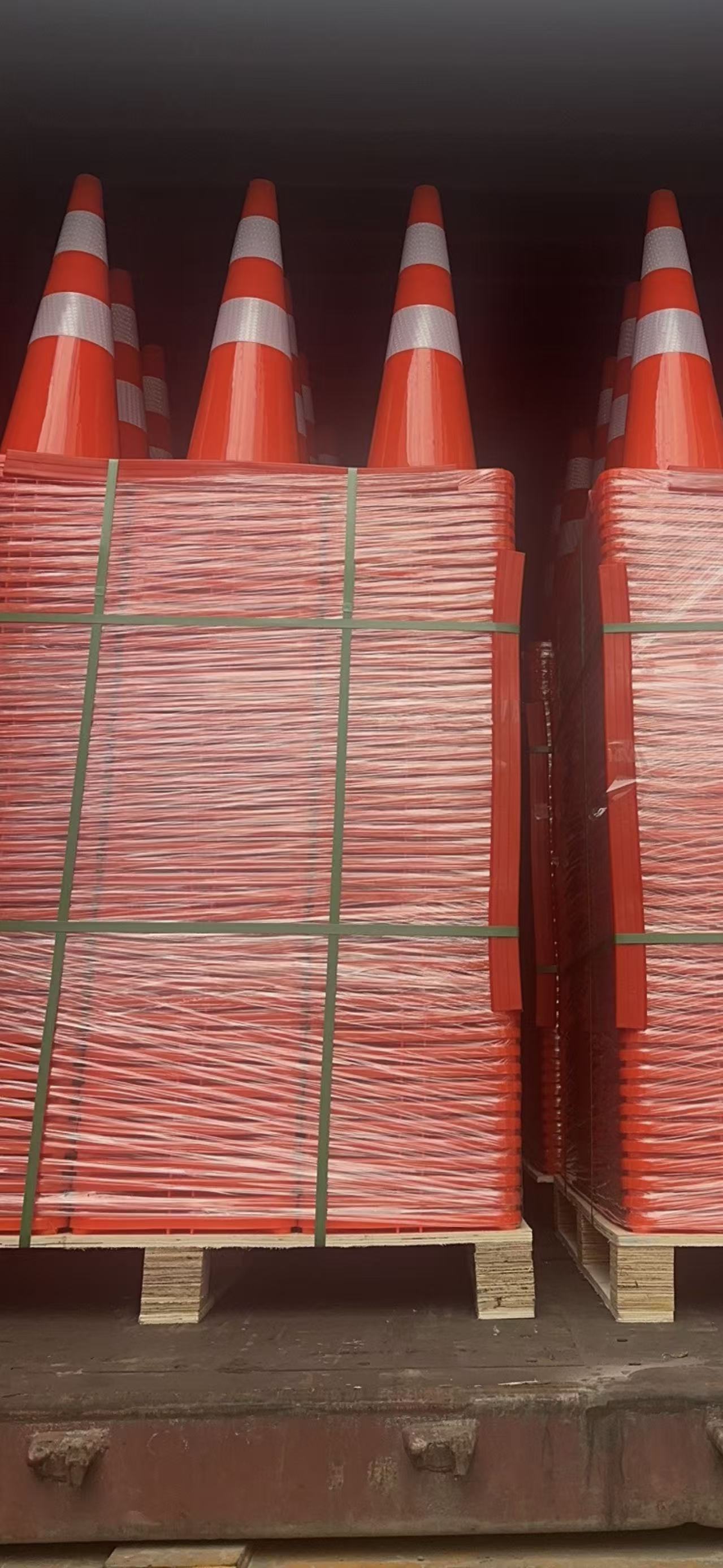
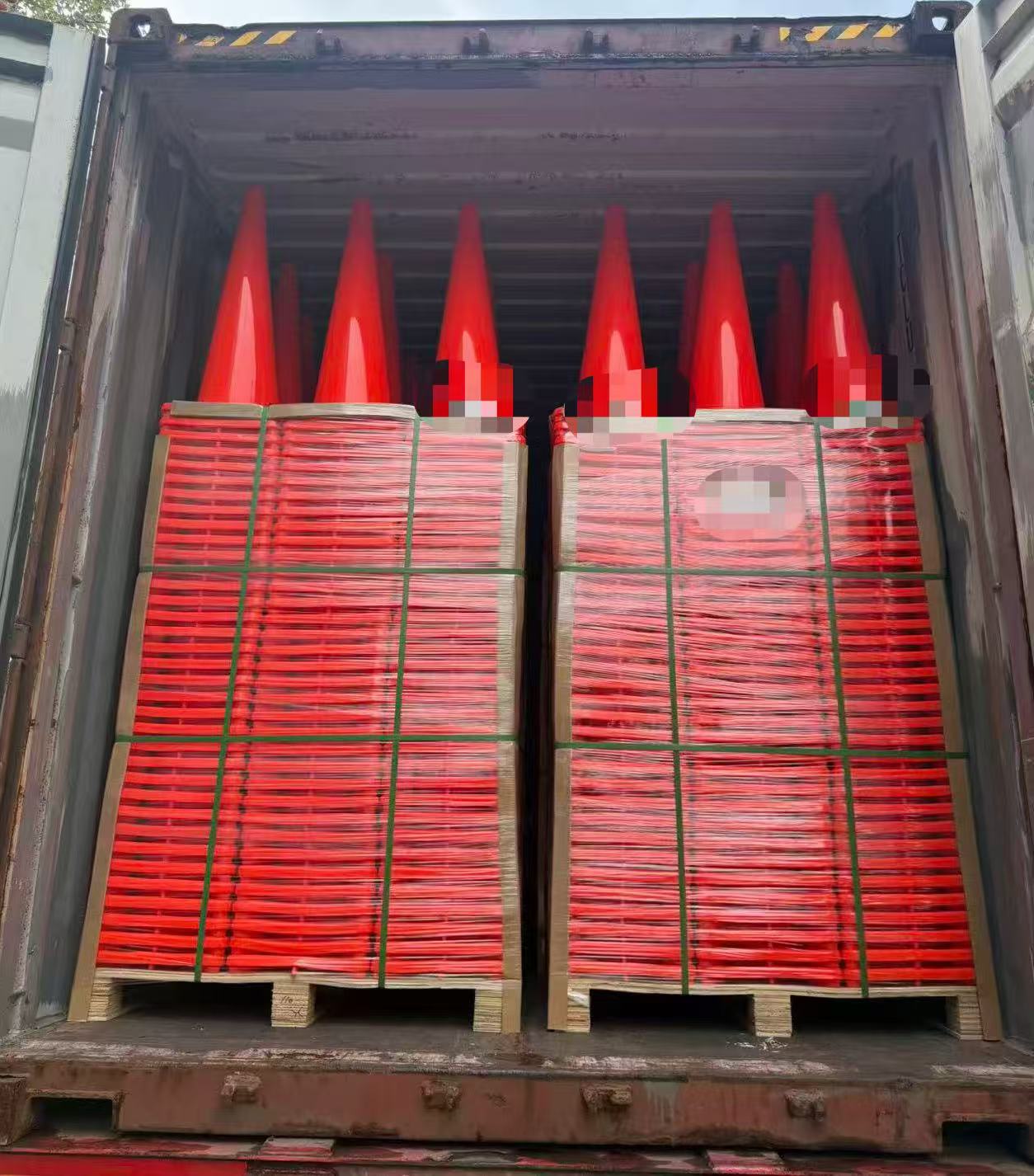
This guide explains how to evaluate container loading quantities when purchasing PVC traffic cones and traffic cone connecting bars.
Based on Etonda's current loading figures, the following quantities can be used as an initial planning reference.
| Product | Stated 40-Foot Container Quantity |
|---|---|
| 28-inch PVC traffic cones | 11,682 pieces |
| 34-inch PVC traffic cones | 5,985 pieces |
| Traffic cone connecting bars | 21,300 pieces |
These figures reflect the stated product and packing configurations. Actual quantities must be confirmed against the specific container type, packaging method, carton dimensions, and loading plan.
A 20-foot container may hold approximately half the stated 40-foot quantity as an initial estimate. The actual quantity may differ and should be confirmed before booking a shipment.
The number of units shipped can affect the freight cost allocated to each product.
For example, if two suppliers quote similar unit prices but use different packaging configurations, their shipping efficiency may differ.
Importers should therefore compare:
Product price
Packaging dimensions
Units per container
Container type
Freight and handling costs
Packaging protection requirements
A higher loading quantity may reduce freight cost per unit, provided that product protection and shipping requirements are maintained.
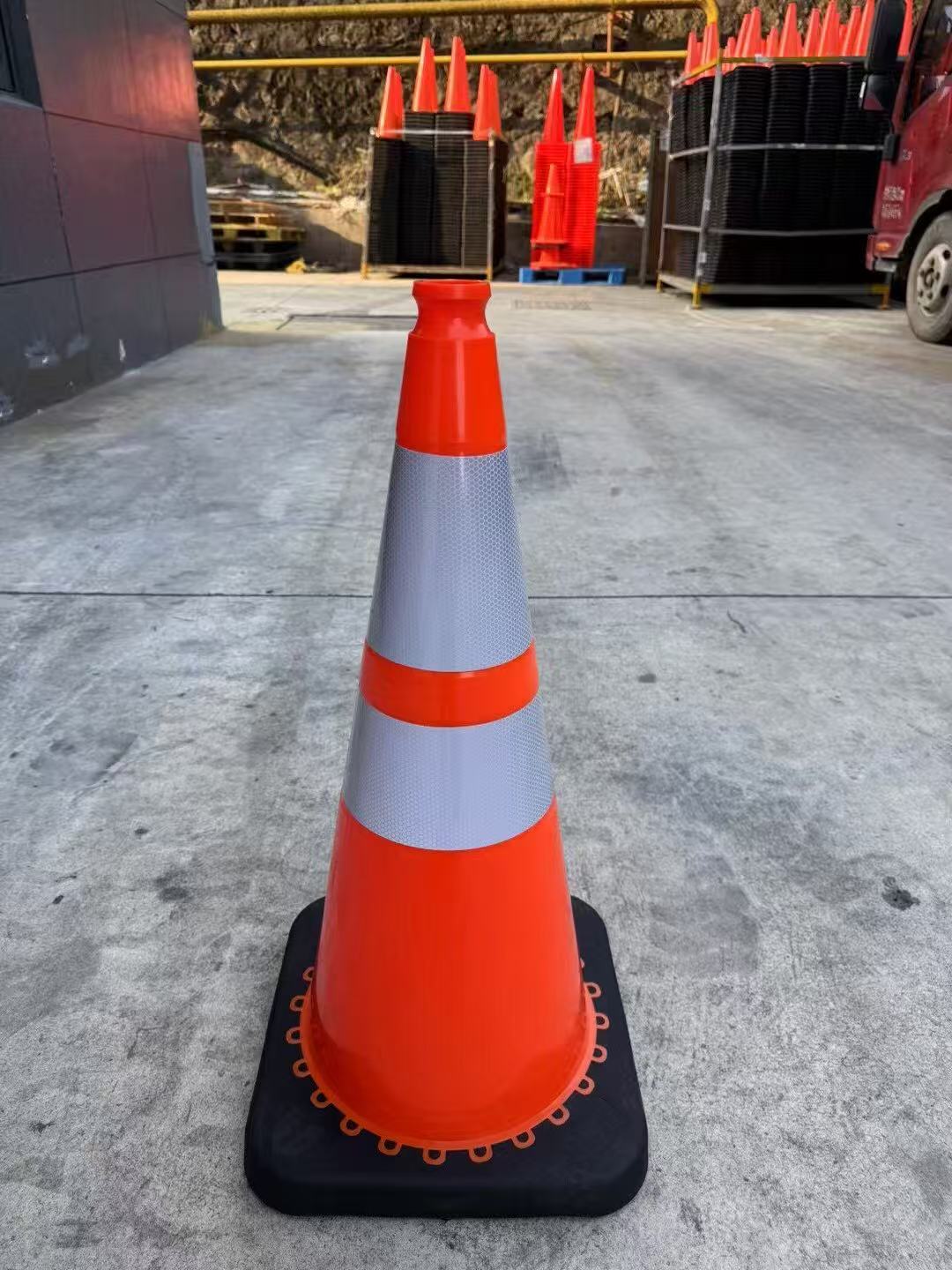
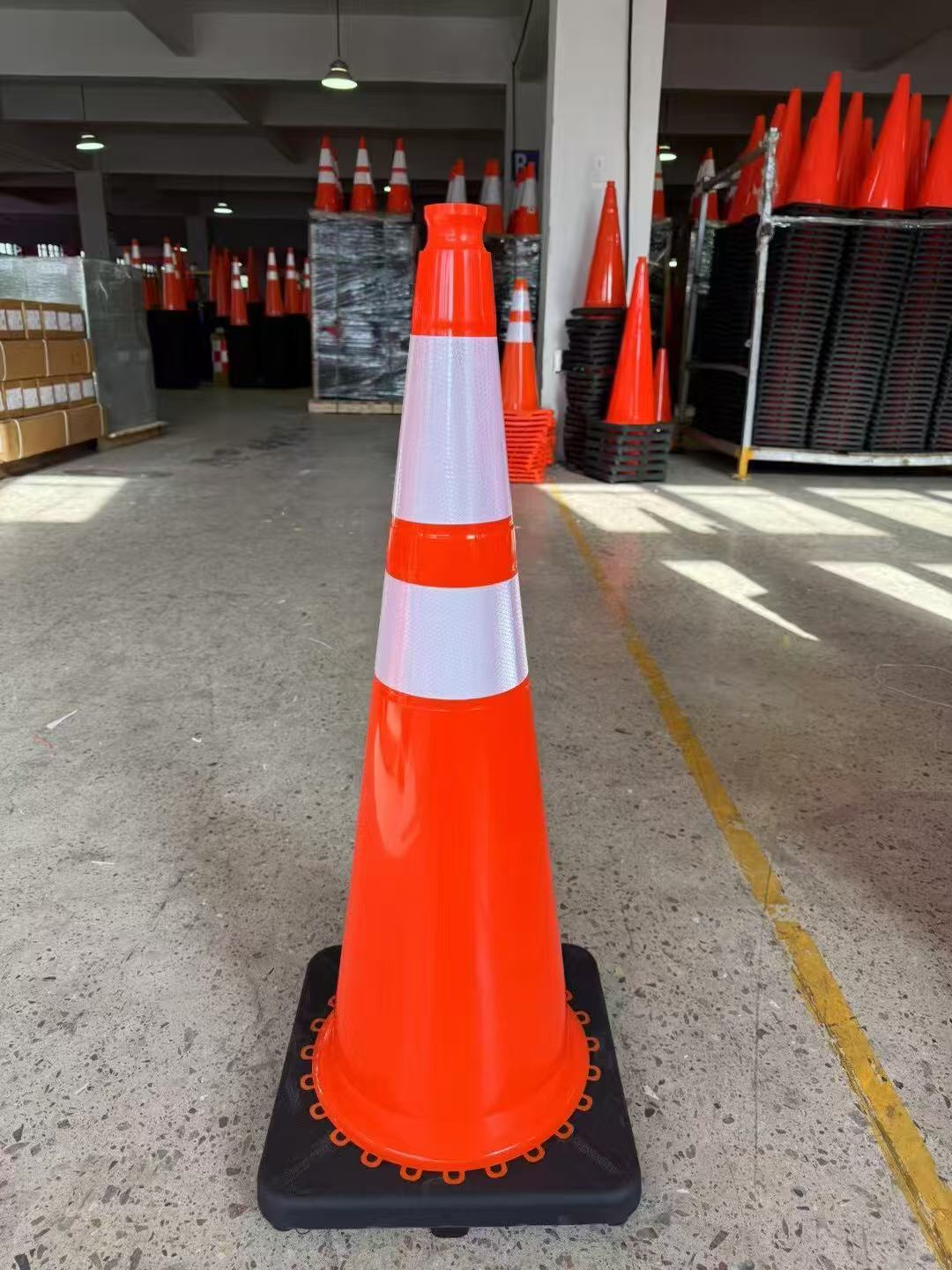
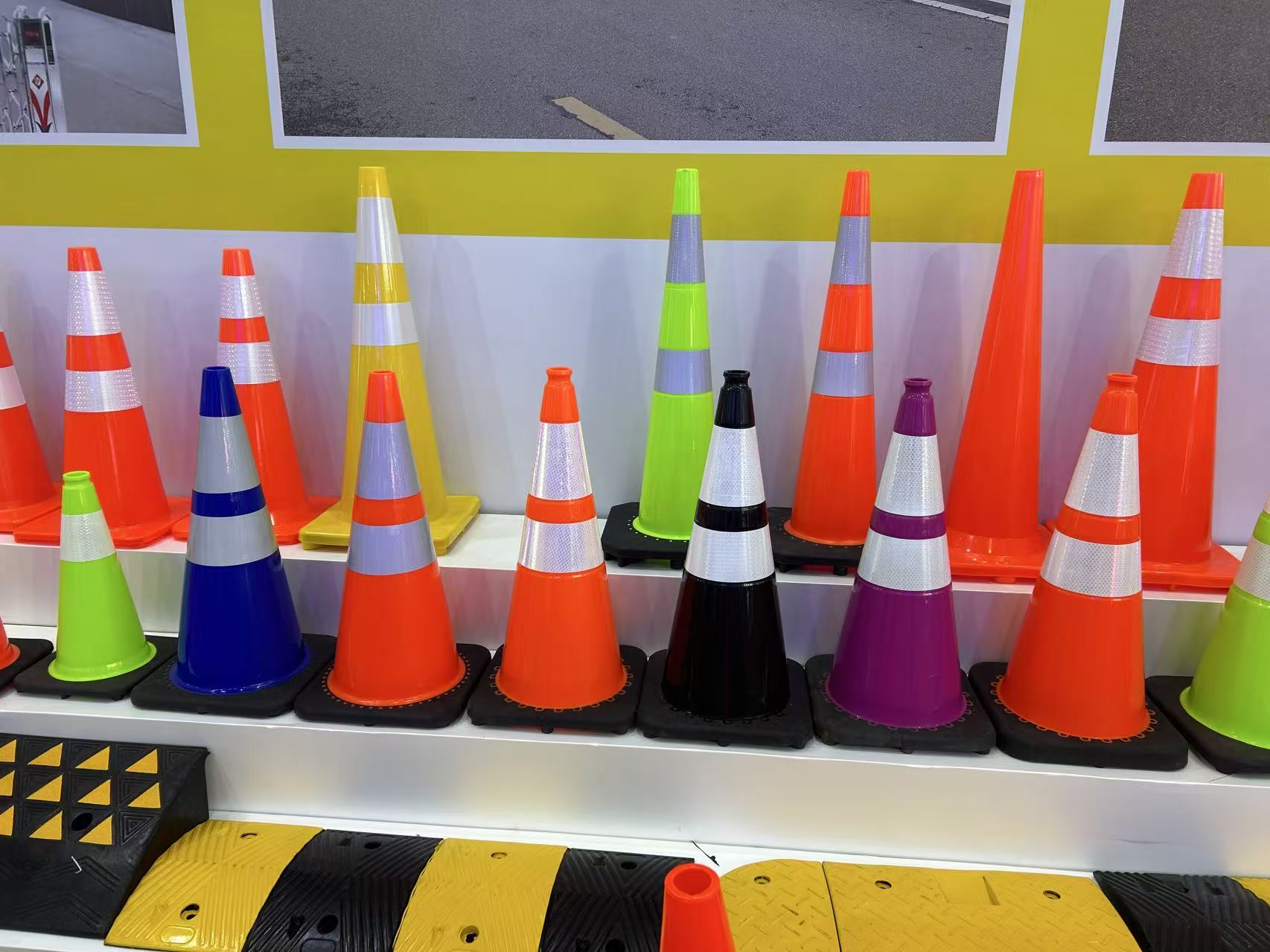
Traffic cones of different heights and base designs occupy different amounts of container space.
For example, the stated loading figures for 28-inch and 34-inch PVC traffic cones differ substantially.
However, height alone does not determine loading capacity. The final quantity also depends on the cone shape, nesting arrangement, base dimensions, and packing method.
When requesting a quotation, buyers should specify the exact model and ask the supplier to confirm the expected loading quantity.
Before booking a container, confirm the following details with the supplier:
Exact product model and dimensions
Product weight and material specification
Packaging method and carton dimensions
Whether pallets are required
Container type
Estimated loading quantity
Final packing list
These details help reduce the risk of unexpected differences between the initial quotation and the final shipment.
A supplier offering a higher loading quantity may use a different product specification or packaging configuration.
For a fair comparison, make sure the products have equivalent heights, weights, materials, base designs, and reflective configurations.
The objective is not simply to load the largest possible number of units. Products must also arrive in acceptable condition and meet the buyer's specifications.
When comparing supplier quotations, evaluate the product cost and shipping cost together.
The freight cost allocated per unit can be estimated by dividing the relevant shipment freight cost by the number of units shipped.
However, the complete landed cost may also include other expenses, such as insurance, customs duties, port handling, and inland transportation, depending on the applicable Incoterms and shipment arrangements.
Importers should use the same cost scope when comparing suppliers.
Container loading efficiency can make a meaningful difference to the economics of bulk traffic cone imports.
For the most accurate comparison, confirm the product specification, packing configuration, container type, and final loading quantity before booking a shipment.
Etonda can provide loading estimates based on the selected product and packaging configuration. Contact our team with your required model, order quantity, and destination port to discuss quotation and shipping arrangements.
Etonda's current reference figure is 11,682 pieces for the stated packing configuration. Confirm the container type and packing details before shipment.
Etonda's current reference figure is 5,985 pieces for the stated packing configuration. The final quantity should be confirmed against the actual loading plan.
Etonda's current reference figure is 21,300 pieces, subject to the specific product and packing configuration.
No. Half of the 40-foot figure is only an initial estimate. Actual loading depends on the container, packaging, product dimensions, and loading method.
CONTACT US
 Sales manager:Faye
 TEL: 008613182944931
 WhatsApp: 008618662728327
 EMAIL: info@etonda-trafficsafety.com
newsletter
follow us


